Table of Contents
- 1. The Rise of Clinical & GLP-1 Medical Nutrition
- 2. Clinical Onboarding Funnels: Capturing Biomarkers & Goals
- 3. Master Recipe Formulations & Strict Tolerance Thresholds
- 4. Multi-Tenant Dietitian Portals: Monitoring Adherence
- 5. Regulatory, HIPAA & GDPR Compliance in Digital Health
- 6. The High-LTV Economics of Clinical Subscriptions
- 7. Step-by-Step Operator Blueprint for Launching
The digital wellness industry is undergoing an unprecedented paradigm shift. As millions of patients worldwide commence GLP-1 receptor agonist therapies (such as Ozempic, Wegovy, and Mounjaro), manage chronic metabolic conditions (Type-2 diabetes, cardiovascular hypertension), or seek clinical athletic optimization, generic meal prep delivery is no longer sufficient. Consumers demand precision medical nutrition backed by licensed Registered Dietitians (RDs).
In 2026, launching a clinical, dietitian-led meal subscription is the highest-margin, lowest-churn vertical in consumer food tech. Dietitians and medical clinics can command $22 to $28 per meal tray—nearly double the price point of standard fitness meals—while achieving extraordinary 6-month retention rates exceeding 72%. In this comprehensive guide, we dissect the operational blueprint for launching a dietitian-led meal subscription service.
1. The Rise of Clinical & GLP-1 Medical Nutrition
Standard meal prep services cater to casual gym-goers seeking basic high-protein macros. In contrast, clinical nutrition addresses specific biochemical and metabolic requirements:
- GLP-1 Companion Nutrition: Patients taking semaglutide experience rapid satiety and lean muscle wasting. Clinical meal plans must deliver high-density leucine-rich proteins (35g+ per tray) with gentle, low-fiber ingredients to prevent gastrointestinal distress.
- Cardiometabolic & Glycemic Management: Strict sodium thresholds (< 450mg per meal) and controlled low-glycemic complex carbohydrates to stabilize insulin spikes.
- Renal & Oncology Support: Tightly calibrated potassium, phosphorus, and high-bioavailability micronutrient densities formulated under clinical supervision.
| Performance Metric | Generic Fitness Meal Prep | Dietitian-Led Clinical Subscription |
|---|---|---|
| Average Price per Meal Tray | $12.50 – $14.50 | $21.00 – $27.50 (+65%) |
| Average Subscriber Tenure | 2.8 months | 6.4 months (2.3x higher) |
| Monthly Logo Churn Rate | 9.5% – 12.0% | 2.8% – 4.2% |
| Customer Acquisition Cost (CAC) | $90 – $120 (Paid ads) | $35 – $55 (Physician & clinic referrals) |
| Health Insurance Reimbursement Potential | 0% (Out-of-pocket) | Eligible for HSA/FSA & Medically Tailored Meals (MTM) |
2. Clinical Onboarding Funnels: Capturing Biomarkers & Goals
A clinical subscription cannot begin with a simple shopping cart checkout. The customer onboarding experience must reflect medical professionalism:
- Comprehensive Health Intake: The Next.js 16 web funnel captures self-reported diagnostic data: HbA1c levels, resting blood pressure, active prescription medications, and food allergies.
- Dietary Classification Logic: The onboarding engine matches the patient to a clinically validated diet tier (e.g., Renal Stage 3, Diabetic Low-GI, or GLP-1 High-Protein).
- Dietitian Verification Step: Before the first kitchen manifest is generated, an assigned licensed dietitian reviews the patient's file in the Filament admin portal and approves or customizes the weekly meal schedule.
3. Master Recipe Formulations & Strict Tolerance Thresholds
In clinical nutrition, exceeding a sodium or carbohydrate limit can have serious medical consequences for vulnerable patients.
NutriFlow enforces strict Nutritional Tolerance Thresholds:
- Each recipe has defined biochemical ceilings (e.g., Sodium $\le 400mg$, Saturated Fat $\le 3g$, Net Carbs $\le 25g$).
- If an ingredient swap or portion modification causes a meal to breach clinical thresholds, the UI prevents the modification and prompts the user with medically safe alternatives.
- Certified laboratory nutritional analysis sheets are attached directly to each dish profile in the database, viewable by subscribers via in-app PDF downloads.
NutriFlow's AI engine automatically flags potential drug-nutrient interactions (e.g., warning patients taking Warfarin to avoid high-vitamin-K leafy green overages).
Building a Similar Meal Subscription Platform?
Get complete, unencrypted Flutter mobile apps, Laravel 12 multi-kitchen API, and Next.js 16 storefront code with zero ongoing revenue commissions.
Inquire on WhatsApp4. Multi-Tenant Dietitian Portals: Monitoring Adherence
NutriFlow provides dedicated portal access for practicing clinical dietitians and nutrition coaches:
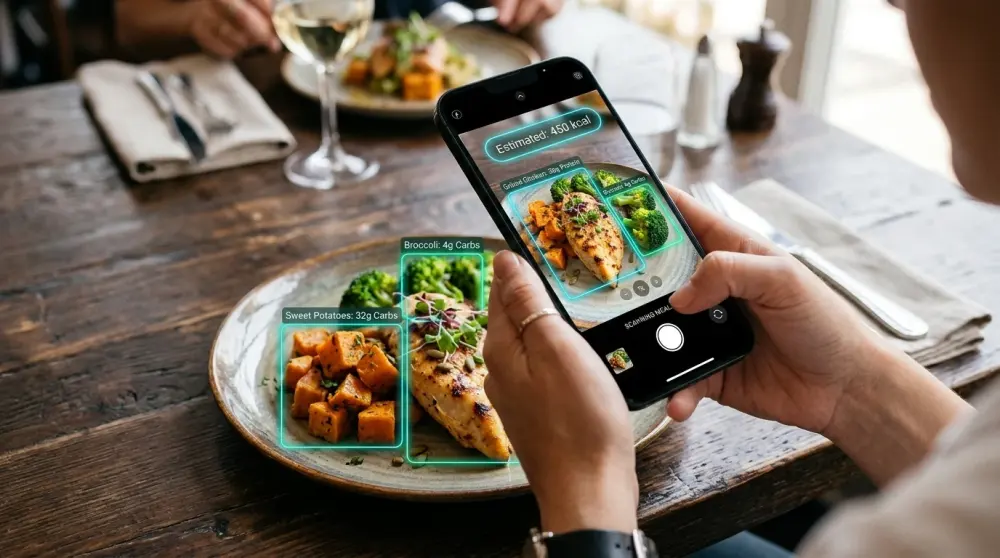
- Patient Compliance Dashboard: Dietitians monitor patient meal consumption logs, visual dish scan history, and weight progression charts in real time.
- Direct In-App Messaging: Dietitians can send personalized coaching notes or adjust upcoming meal selections on behalf of elderly or busy patients.
- Progress Report Generation: Automatically generates monthly clinical progress summaries that patients can share with their primary care physicians.
5. Regulatory, HIPAA & GDPR Compliance in Digital Health
Collecting health data and dietary biomarkers requires strict regulatory compliance:
- Field-Level Encryption: All health intake responses and medical notes are encrypted at rest using AES-256 via Laravel's native encryption primitives.
- Role-Based Access Control (RBAC): Kitchen cooks only see production names and packaging barcodes; sensitive patient medical histories are restricted exclusively to licensed clinical staff.
- FSA/HSA Payment Integration: NutriFlow integrates with specialized healthcare merchant gateways (such as Sika or TrueMed) allowing subscribers to pay for medically tailored meals using pre-tax HSA/FSA debit cards.
6. The High-LTV Economics of Clinical Subscriptions
The economics of dietitian-led subscriptions are the envy of the food tech industry:
A subscriber paying $24/meal for 14 meals per week represents $1,456 in Monthly Recurring Revenue (MRR). With an average clinical tenure of 6.4 months, the Customer Lifetime Value (LTV) exceeds $9,300 per acquired patient.
Because acquisition relies primarily on B2B physician referrals, wellness clinics, and corporate wellness benefits, marketing expenses are minimal, allowing operators to achieve operating net profit margins in excess of 35%.
7. Step-by-Step Operator Blueprint for Launching
Dietitians do not need to purchase expensive commercial kitchen equipment to launch a thriving subscription brand:
- Step 1 (Formulate Clinical Protocols): Standardize 15 to 20 master recipes adhering to specific dietary guidelines (GLP-1 support, renal, or diabetic).
- Step 2 (Partner with a Certified Cloud Kitchen): Contract with a local commercial commissary kitchen to batch-cook and package the meals under a co-packing agreement ($6.00 to $8.50 per tray packaging fee).
- Step 3 (Deploy NutriFlow Platform): Launch your branded Next.js 16 web portal and Flutter mobile apps under your clinical practice brand in 72 hours.
- Step 4 (Activate Local Referral Networks): Introduce your Medically Tailored Meals program to local endocrinologists, bariatric surgeons, and personal training studios.
Frequently Asked Questions

Richie
Head of Culinary Logistics & Dietary SafetyRichie leads culinary logistics, nutritional safety, and commercial kitchen workflows at NutriFlow. With deep expertise across high-volume batch prep, dietitian-led clinical programs, and strict 14 major allergen management, Richie helps food entrepreneurs scale subscription kitchens safely.